
Ayurvedic Cure for Joint Pain & Arthritis
Joint pain and arthritis are among the most common health problems affecting people of all age groups, especially the elderly and individuals with sedentary lifestyles.
Conditions such as osteoarthritis, rheumatoid arthritis, gout, cervical spondylosis, and sciatica can cause severe pain, stiffness, swelling, and reduced mobility, significantly affecting daily life. Modern medicine often relies on painkillers, anti-inflammatory drugs, and temporary relief methods, which may not address the underlying cause.
In contrast, Ayurveda provides a holistic and root-cause-based approach to managing joint disorders.
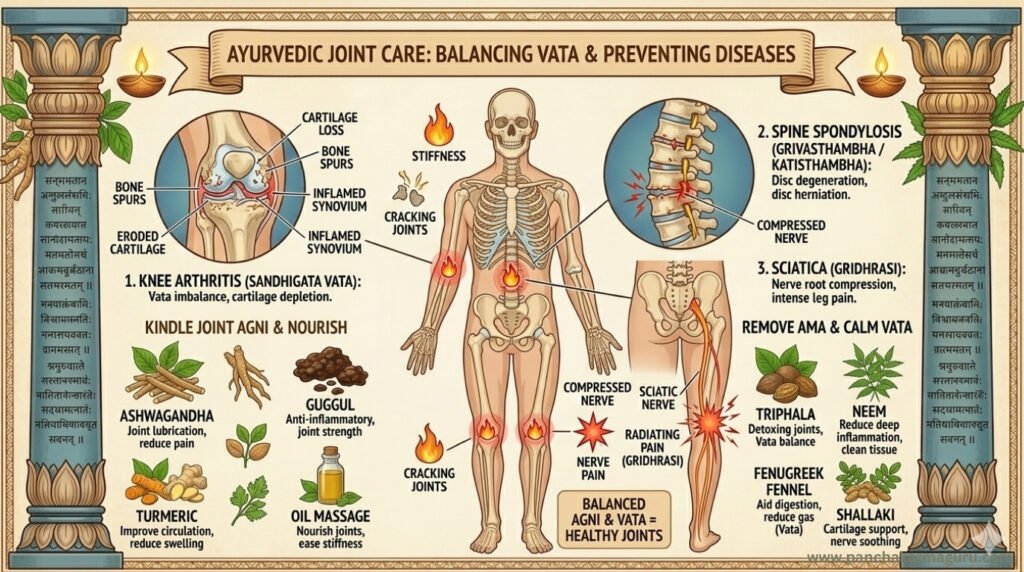
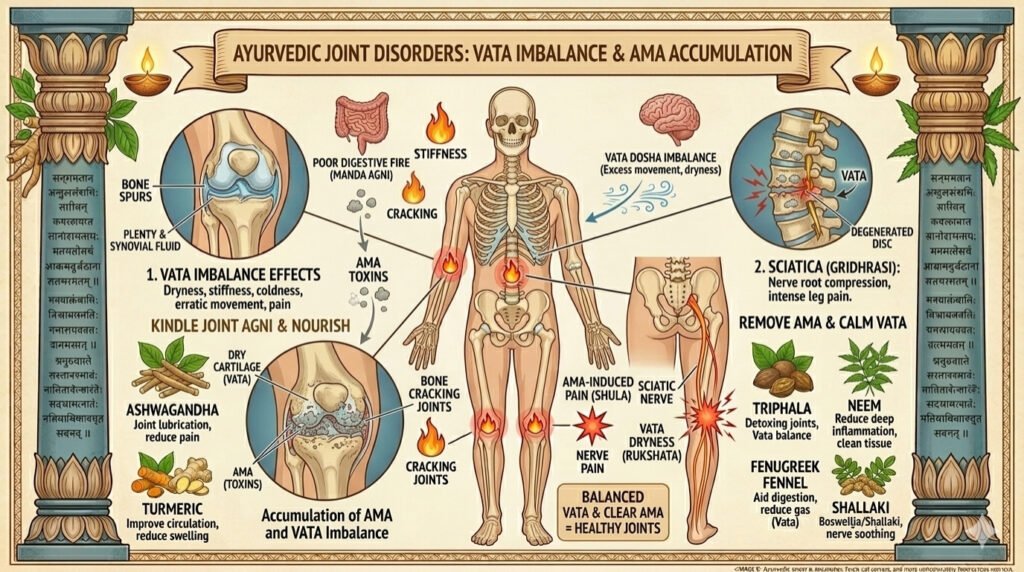
According to Ayurveda, joint diseases are primarily caused by Vata imbalance and accumulation of toxins (Ama) in the joints, leading to inflammation and degeneration.
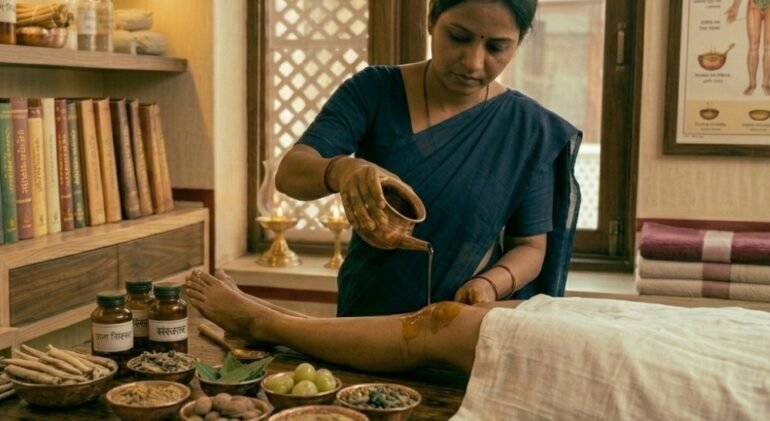
Through Panchakarma therapies, herbal medicines, dietary correction, and lifestyle modifications, Ayurveda aims to restore joint health naturally and effectively.
Joint pain can arise from different underlying conditions.
Osteoarthritis: A degenerative joint disease caused by wear and tear of cartilage, leading to pain and stiffness.
Rheumatoid Arthritis: An autoimmune disorder where the body’s immune system attacks the joints, causing inflammation and swelling.
Gout: A metabolic disorder caused by uric acid accumulation, leading to sudden and severe joint pain.
Sciatica: Pain radiating from the lower back to the legs due to nerve compression.
Cervical & Lumbar Spondylosis: Degeneration of the spine leading to stiffness, pain, and restricted movement.
These conditions often become chronic and worsen over time if not treated properly.
Joint disorders can develop due to various reasons.
Aging: Natural wear and tear of joints over time reduces flexibility and strength.
Sedentary Lifestyle: Lack of physical activity weakens muscles and joints.
Poor Diet: Deficiency of nutrients and excessive consumption of unhealthy foods leads to inflammation.
Obesity: Excess body weight puts additional pressure on joints, especially knees.
Injury or Trauma: Previous injuries can lead to long-term joint problems.
In Ayurveda, joint disorders are mainly associated with Sandhivata and Amavata.
Sandhivata: Caused by aggravation of Vata dosha, leading to dryness, stiffness, and degeneration of joints.
Amavata: Occurs when Ama (toxins) combine with Vata and accumulate in joints, causing inflammation and pain.
Key Ayurvedic Factors
• Vata imbalance – causes dryness and degeneration
• Ama accumulation – causes inflammation and stiffness
• Weak digestion (Agni) – leads to toxin formation
आमवातो नाम रोगो दुःखदः सन्धिषु स्थितः
Amavata is a painful condition where toxins accumulate in the joints, causing inflammation and discomfort.
This clearly highlights that toxin removal and Vata balancing are essential for treatment.
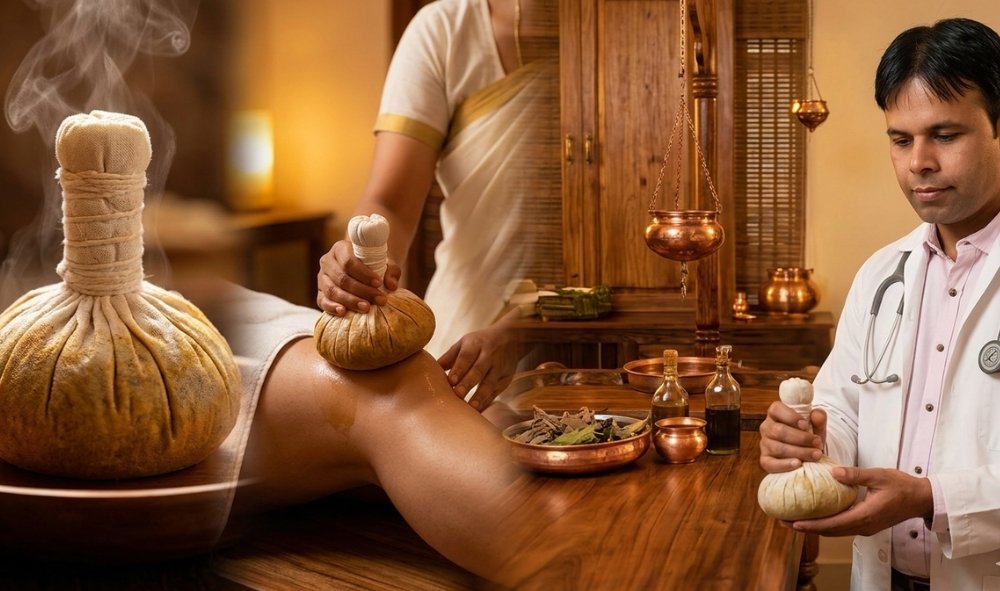
Panchakarma therapies are highly effective in treating joint disorders by removing toxins and restoring balance.
Basti Therapy (Medicated Enema): Basti is considered the best treatment for Vata disorders. It nourishes joints, reduces pain, and improves mobility.
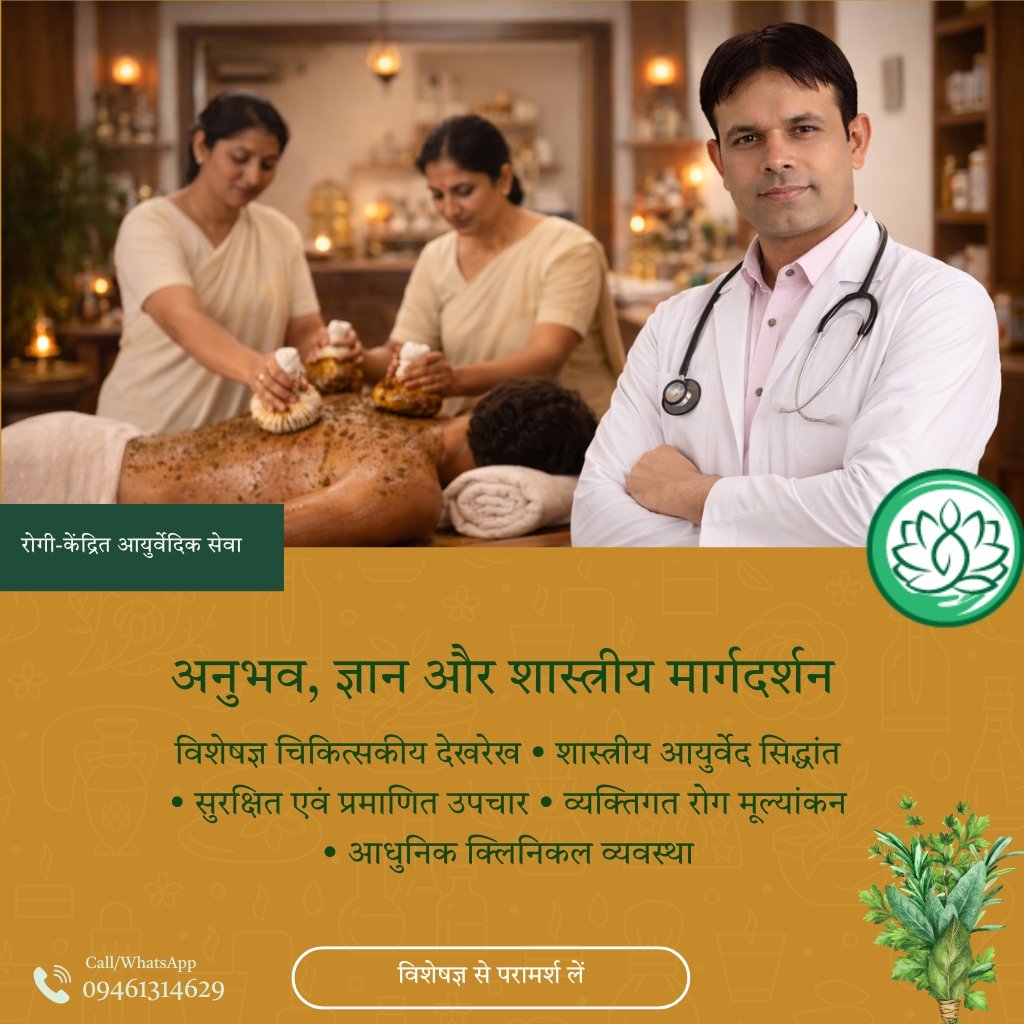
Abhyanga (Oil Massage): Therapeutic massage with medicated oils helps reduce stiffness and improve circulation.
Swedana (Steam Therapy): Herbal steam therapy helps relieve pain, stiffness, and swelling.
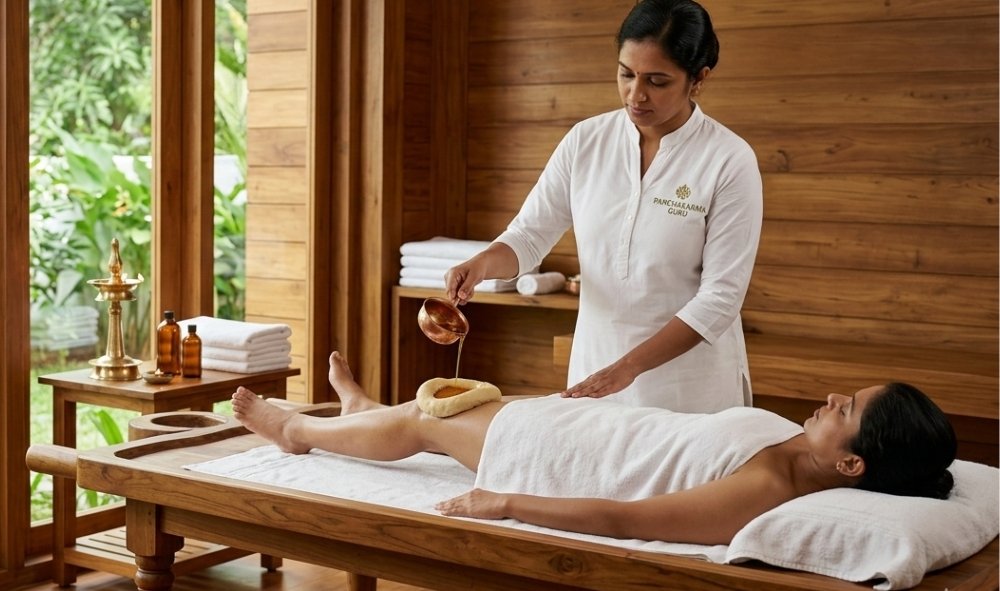
Kati Basti / Janu Basti: Localized oil retention therapy used for back pain and knee pain, providing deep nourishment to joints.
Virechana: Helps eliminate toxins and reduce inflammation in the body.
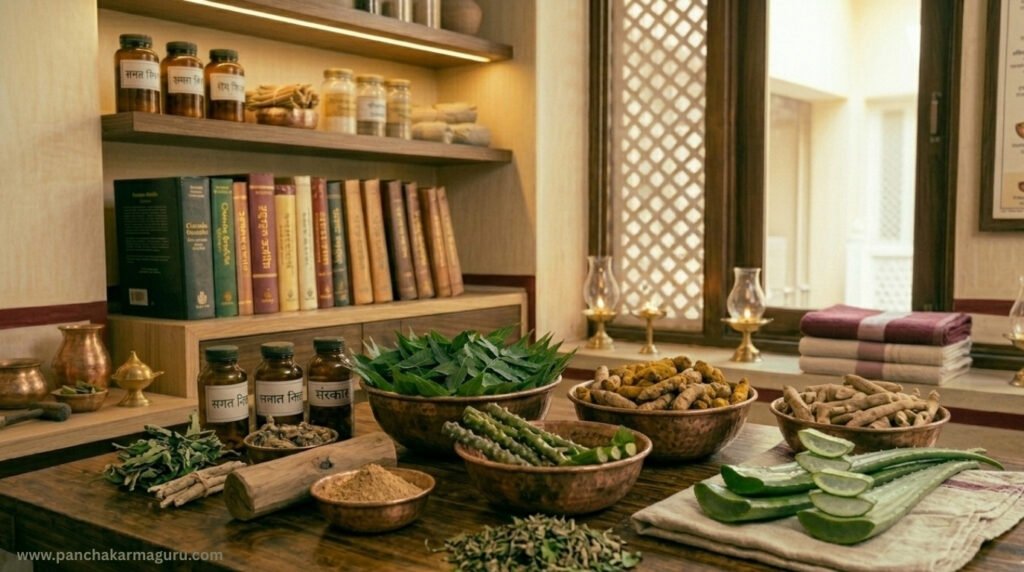
Ayurveda uses several herbs that support detoxification and metabolic balance.
Triphala: A powerful herbal combination that improves digestion and supports natural detox.
Guduchi (Giloy): Known for its immune boosting and detoxifying properties.
Turmeric: Helps reduce inflammation and purify blood.
Ashwagandha: Supports stress management and improves energy levels.
Neem: Acts as a natural blood purifier and antimicrobial herb.
Proper diet is essential for maintaining digestive health
Eating fresh, warm, and balanced meals helps maintain strong digestion.
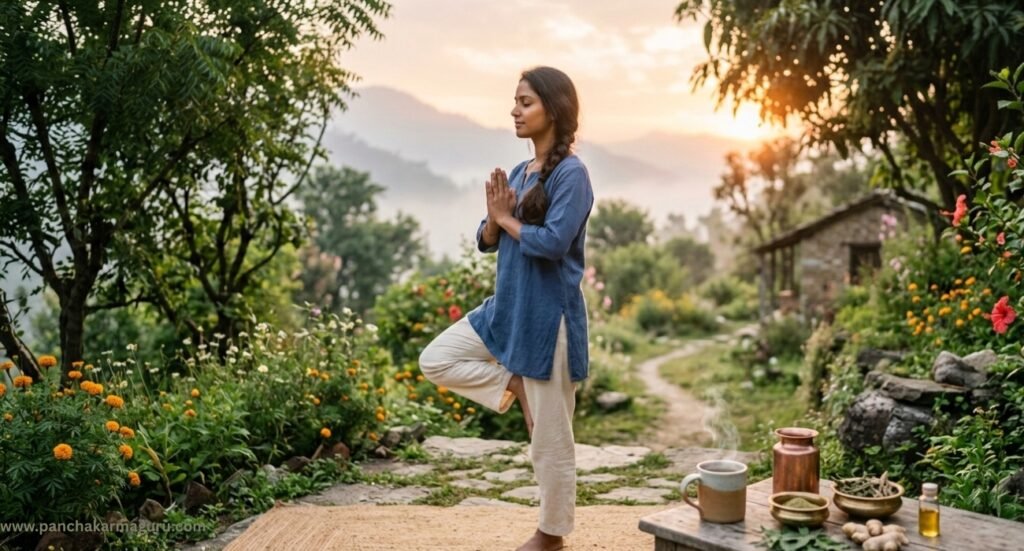
Ayurveda emphasizes balance in daily routine (Dinacharya) to maintain health.
Panchakarma detox may be recommended when a person experiences:
Consulting a qualified Ayurvedic physician ensures that therapies are performed safely and effectively.
Lifestyle diseases have become one of the most significant health challenges of modern times.
While temporary treatments may control symptoms, Ayurveda focuses on removing the root cause of disease through detoxification and balance.
Panchakarma therapies, combined with proper diet, herbal medicines, and healthy lifestyle practices, provide a holistic path toward long-term health and wellness. By restoring the body’s natural balance, Ayurveda not only treats disease but also promotes lasting vitality and preventive health.